The Real Reason Your Anti-Dandruff Shampoo Stops Working

Table of Content
Table of Contents
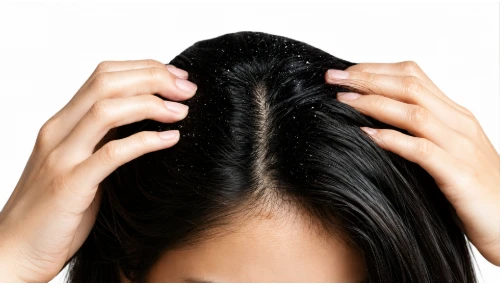
You buy the medicated Anti-Dandruff shampoo, the flakes clear, and for a few weeks life is good. Then it creeps back, so you buy another, and the cycle repeats. If that sounds familiar, the problem is almost certainly not you, and it is not that anti-dandruff products do not work. It is that the most common format for treating dandruff is working against itself. Understanding why is the key to finally breaking the cycle.
Dandruff Is a Fungal Problem, Not a Cleanliness One
Start with the cause, because it changes everything. Dandruff is driven by an overgrowth of a naturally occurring scalp yeast called Malassezia, not by a dirty scalp. This yeast feeds on scalp oils and releases irritating byproducts that trigger the inflammation, itching, and flaking you see. That means the job of any real treatment is to control the yeast and calm the inflammation, which is a microbial task, not a matter of washing more often.
This is why an ordinary shampoo never solves it, and why the right active ingredient matters. But the ingredient is only half the story. The other half, the part almost nobody talks about, is how long that ingredient actually stays on your scalp. If you want a genuinely effective best anti-dandruff treatment in Pakistan, that second factor is the one to focus on.
The Contact-Time Trap
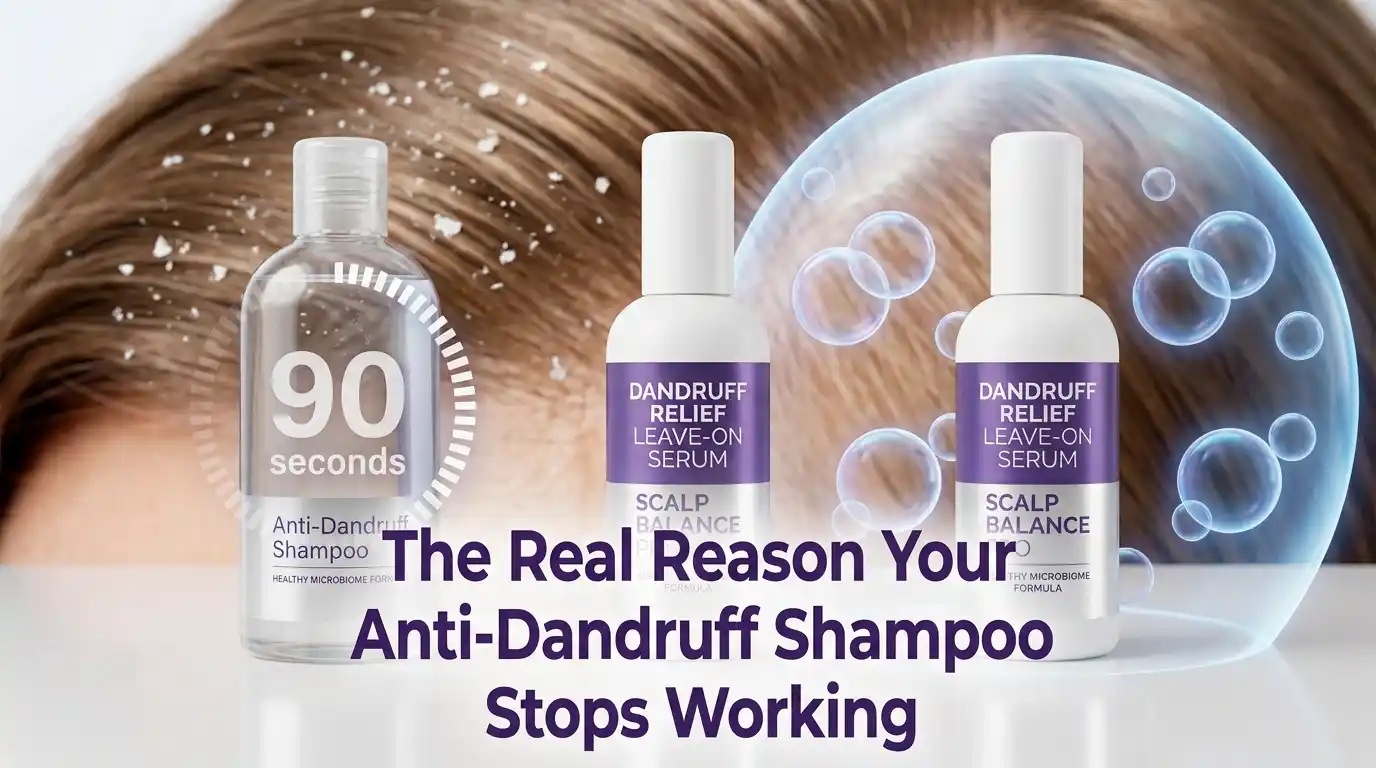
Here is the flaw hiding in plain sight. A rinse-off shampoo sits on your scalp for perhaps ninety seconds before you wash it away. An antifungal needs sustained contact to meaningfully suppress a yeast population. Ninety seconds, two or three times a week, is simply too little exposure to keep the yeast under lasting control, even when the active ingredient itself is a good one.
So what happens is predictable. The shampoo knocks the yeast back enough to clear the visible flakes, you feel better and relax your routine, the yeast recovers because it was never truly suppressed, and the dandruff returns. It is not that the product failed. It is that the format never gave the active enough time to finish the job. This is the single biggest reason people cycle endlessly through medicated shampoos without ever getting ahead, and it is why a leave-on medicated anti-dandruff formula tends to succeed where shampoo alone keeps falling short.
Why a Leave-On Formula Changes the Outcome
Once you see the contact-time problem, the solution becomes obvious: give the active ingredient hours on the scalp instead of seconds. A leave-on treatment, applied and left to work rather than rinsed away, delivers exactly the sustained antifungal contact that a shampoo cannot. That is a fundamentally different and more powerful intervention, even when the underlying actives are similar.
This is where a dedicated leave-on treatment has a real advantage over a rinse-off shampoo alone. Instead of a brief, repeated knock that the yeast keeps recovering from, it maintains pressure on the problem for hours, long enough to actually control it, which is what finally breaks the frustrating return-and-repeat cycle so many people are stuck in.
It Also Matters for Your Hair
There is one more reason to take recurring dandruff seriously, especially if you are also treating hair loss. The scalp inflammation that Malassezia produces is a poor environment for hair growth, and an inflamed, flaky scalp reduces how well hair treatments absorb. If you are using a growth serum while an untreated fungal problem keeps your scalp irritated, you are working against yourself.
Getting the scalp calm and healthy is not a cosmetic afterthought, it is groundwork that makes everything else more effective. This is why treating the scalp properly often improves not just the flaking, but the results of whatever else you are doing for your hair.
Breaking the Cycle for Good
The fix is not another random medicated shampoo. It is understanding that dandruff is a fungal condition that needs an antifungal active with enough contact time to actually suppress the yeast. Choose a treatment on both counts, the right active and a format that stays on the scalp long enough to work, and you stop the endless cycle of clearing and relapsing.
Do that, and dandruff becomes something you control rather than something that keeps coming back to control you.
Frequently Asked Questions
Why does my dandruff keep coming back?
Usually because a rinse-off shampoo is only on the scalp for a minute or two, which is not enough contact time to fully suppress the yeast that causes dandruff. It clears the flakes temporarily, then the yeast recovers. A leave-on treatment with sustained contact controls it far more reliably.
Is dandruff caused by a dirty scalp?
No. Dandruff is driven by an overgrowth of a naturally occurring scalp yeast called Malassezia, not poor hygiene. Washing more often does not fix the cause and can sometimes make flaking worse.
Can dandruff affect hair growth?
Yes, indirectly. The scalp inflammation dandruff causes creates a poor environment for hair growth and reduces how well hair treatments absorb, so treating it supports better results from the rest of your routine.
Read More: Apply Online for Apni Zameen Apna Ghar 2026 – Complete Punjab Registration Guide
